UI / UX Design
MYNZO CARBON
MYNZO CARBON
Designed an user centered engagement approach and nudge towards behavioral change that leads to NetZero.
Designed an user centered engagement approach and nudge towards behavioral change that leads to NetZero.
Client :
Mynzo Carbon
Role:
Research, Strategic design, UI UX design
Year :
2024
Team Project:
Individual
Overview
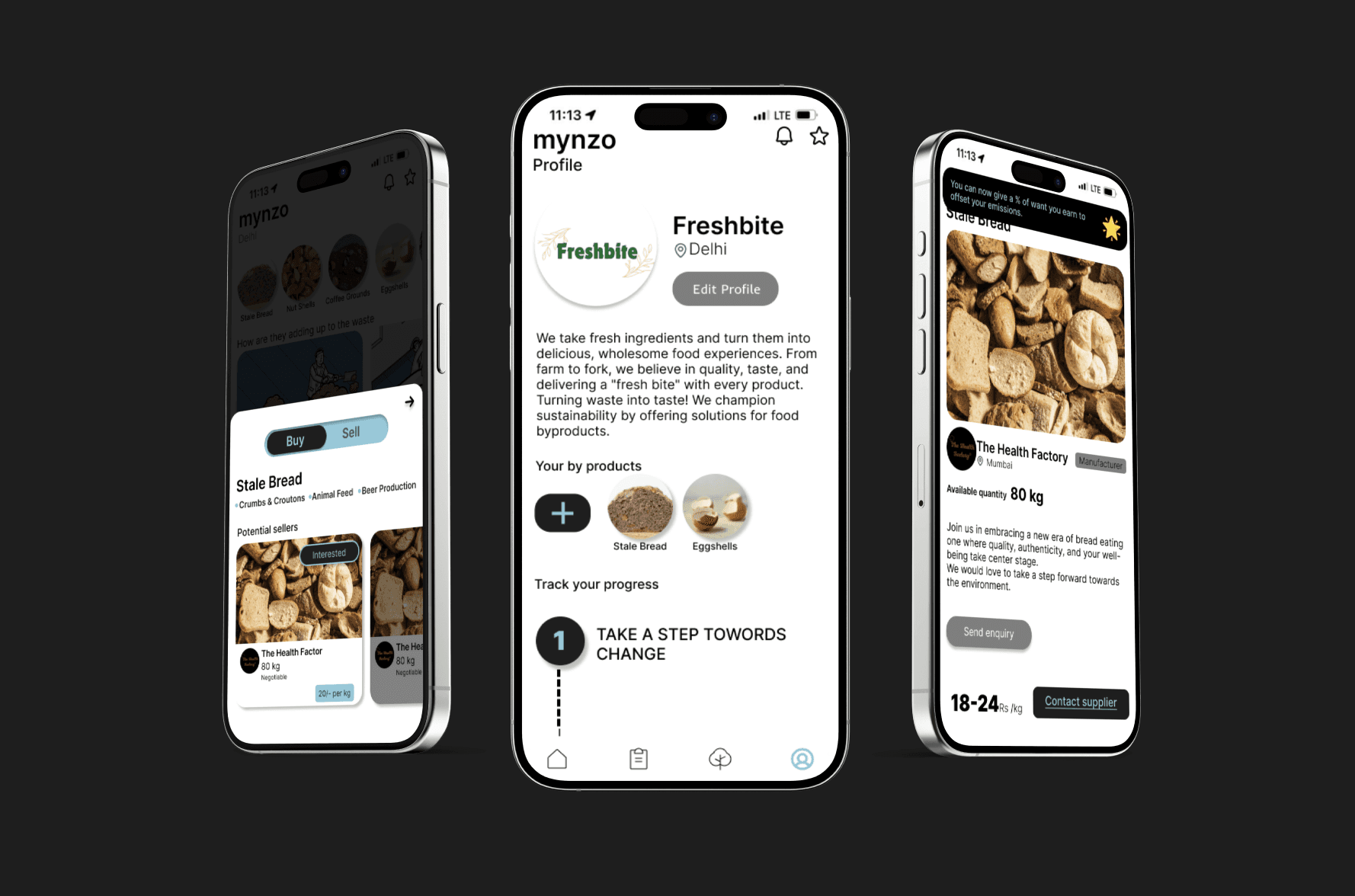
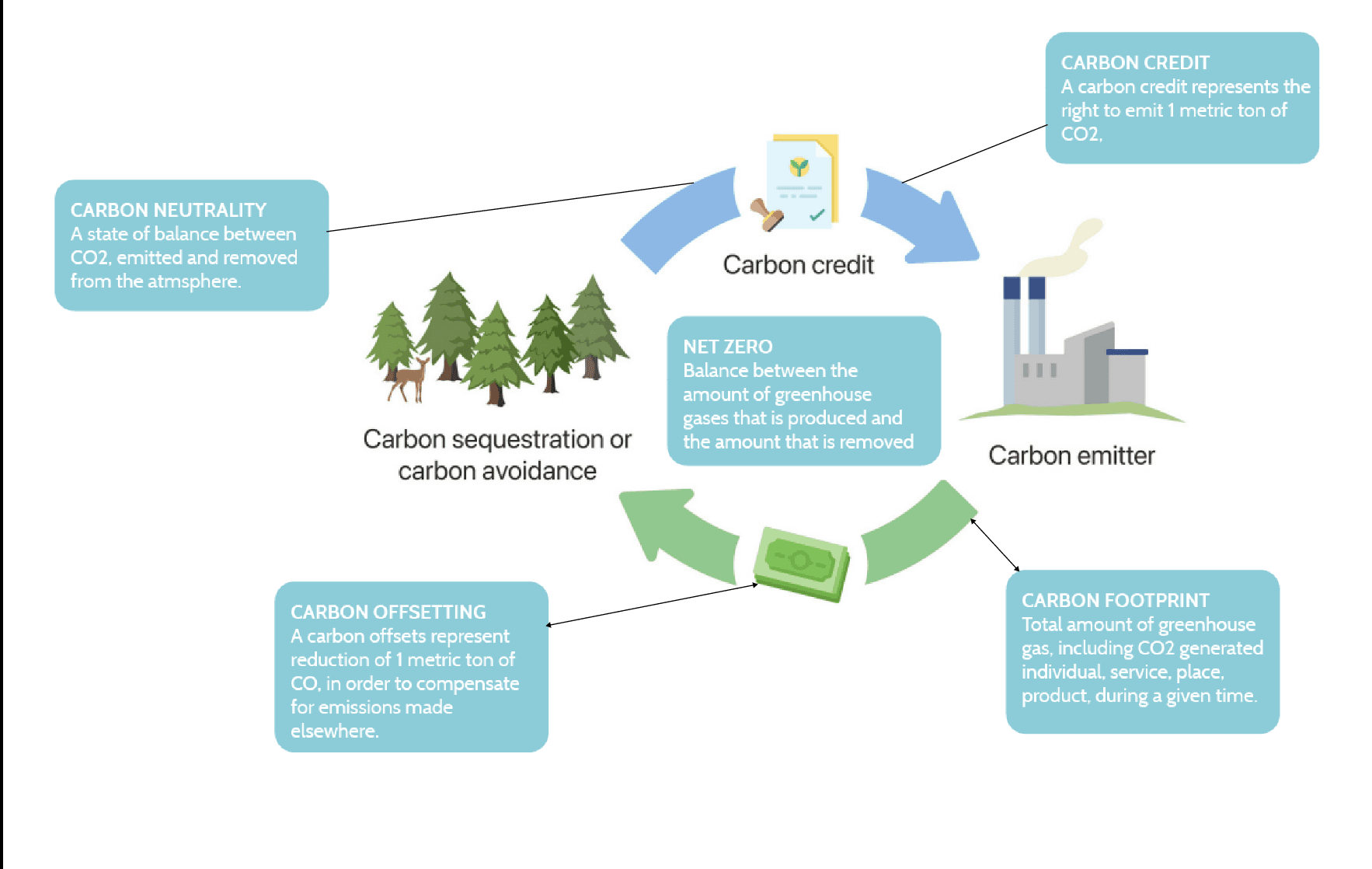
This project explores how digital tools can encourage manufacturers to track emissions, manage industrial waste responsibly, and collaborate with other businesses to reduce carbon impact. The outcome is a platform that helps companies monitor emissions, exchange industrial by-products, and offset remaining carbon through verified environmental initiatives.
The deep dive
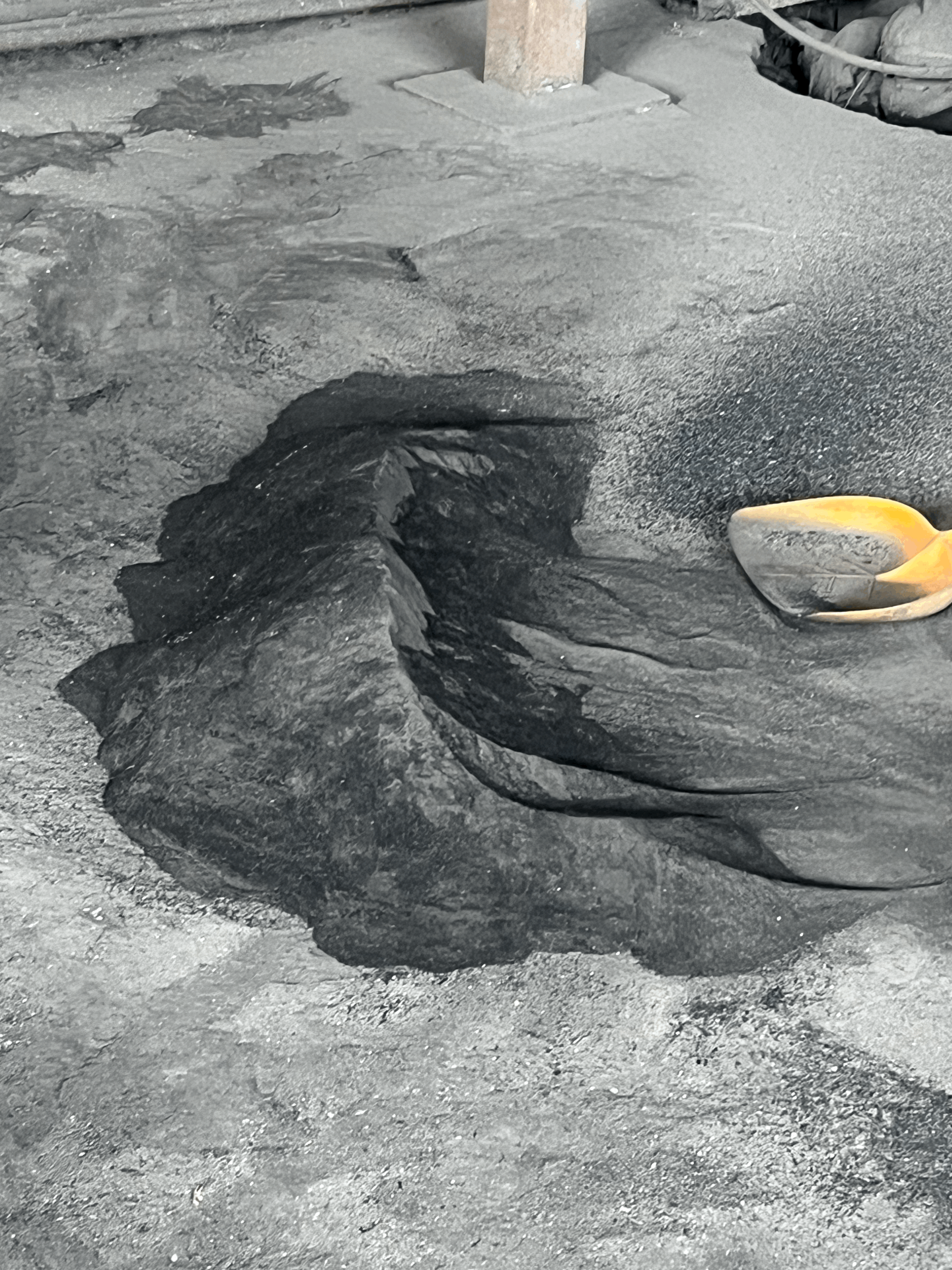
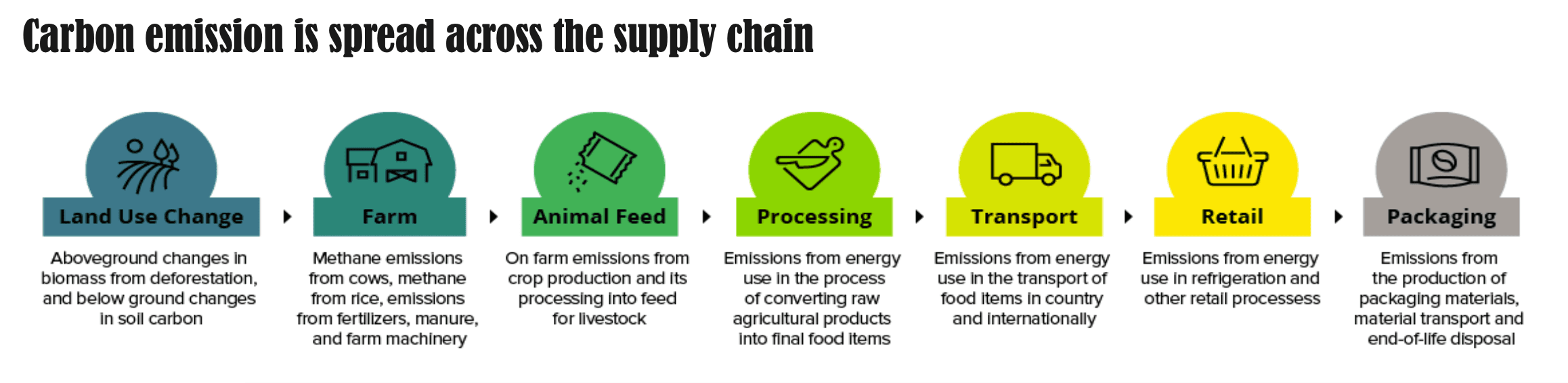
The carbon emission from coal combustion is approximately 0.179 kg CO2 per kilowatt hour. This translates to a carbon emission factor of 0.179 kg CO2/0.109 kg fly ash, or approximately 1.64 kg CO2 per kg fly ash
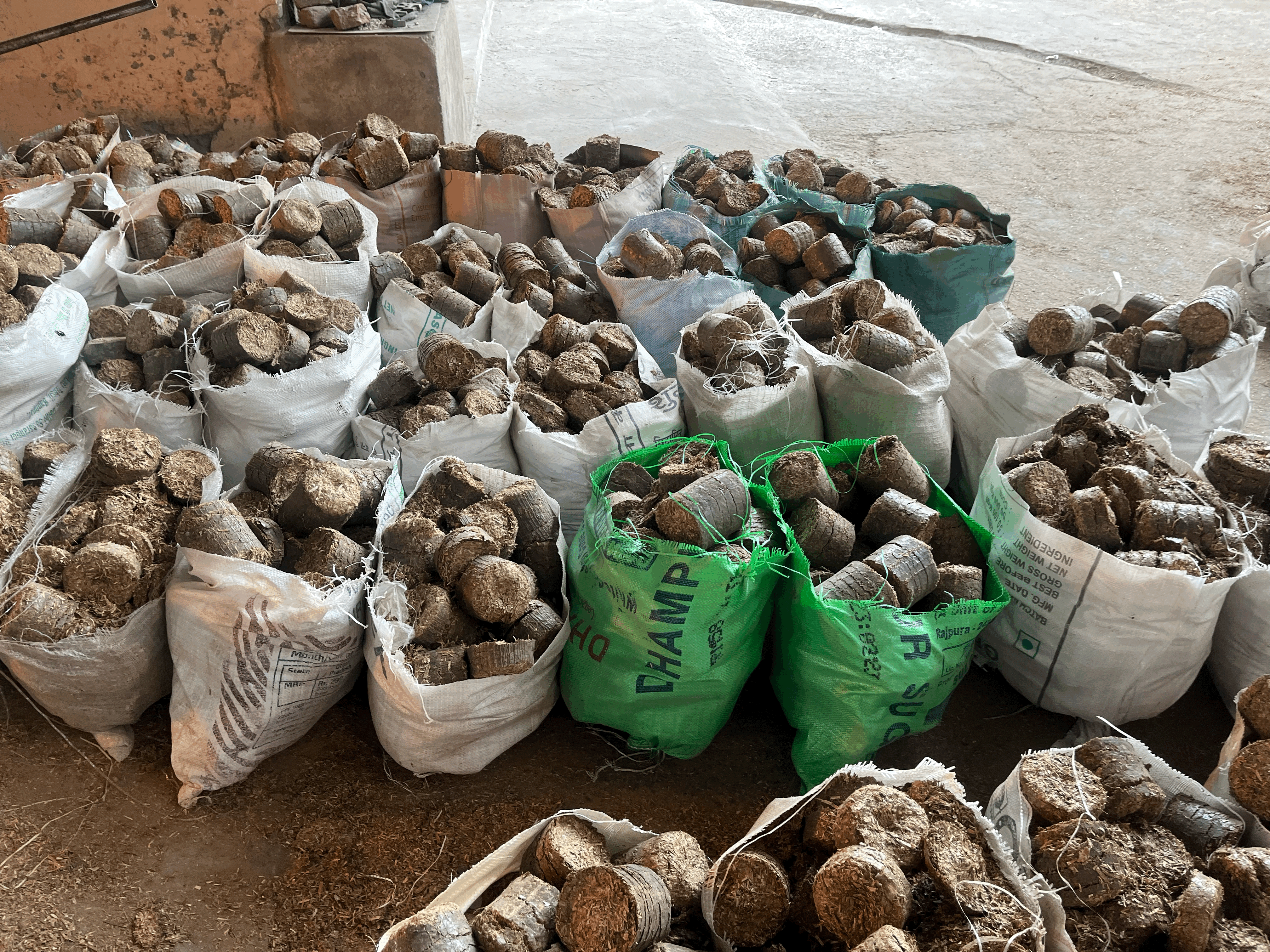
The scraps generated in the industry. These scraps are mostly seen as waste and end up in landfills, contributing to emissions. While they can be used as byproducts in other industries (e.g., coconut husk for biofuel, fly ash for bricks), this potential is not fully realised.
Key Findings
Limited awareness of carbon emissions
Many small-scale manufacturers are not fully aware of how their activities contribute to carbon emissions.
Waste is often underutilised
Industrial by-products and scraps are frequently discarded rather than reused, despite their potential value in other industries.
Profitability drives decision-making
Business owners prioritize operational efficiency and profitability, often overlooking environmental considerations unless they also offer economic benefits.
Inconsistent production cycles
Manufacturing outputs fluctuate depending on demand, which makes it difficult to implement structured waste and emission management systems.
Intent
By taking in consideration lack of voluntary carbon control, limited data sharing, inconsistency in the overall spectrum, scrap generation as by product We can:
Foster a spirit of collective effort and collaboration: Companies are not alone in this! A collective effort through our online community can bring about significant change.
Empowering transparency in the process for both Mynzo and the user effortlessly.
Provide user with incentives and solutions by putting their best interests forward, create a win-win situation for both the climate and the manufacturers
Recognition at each step: This will give them a sense of accomplishment and industry leadership. Facilitating Offsetting Companies invest in offsetting their remaining emissions after reduction efforts
Core Concept
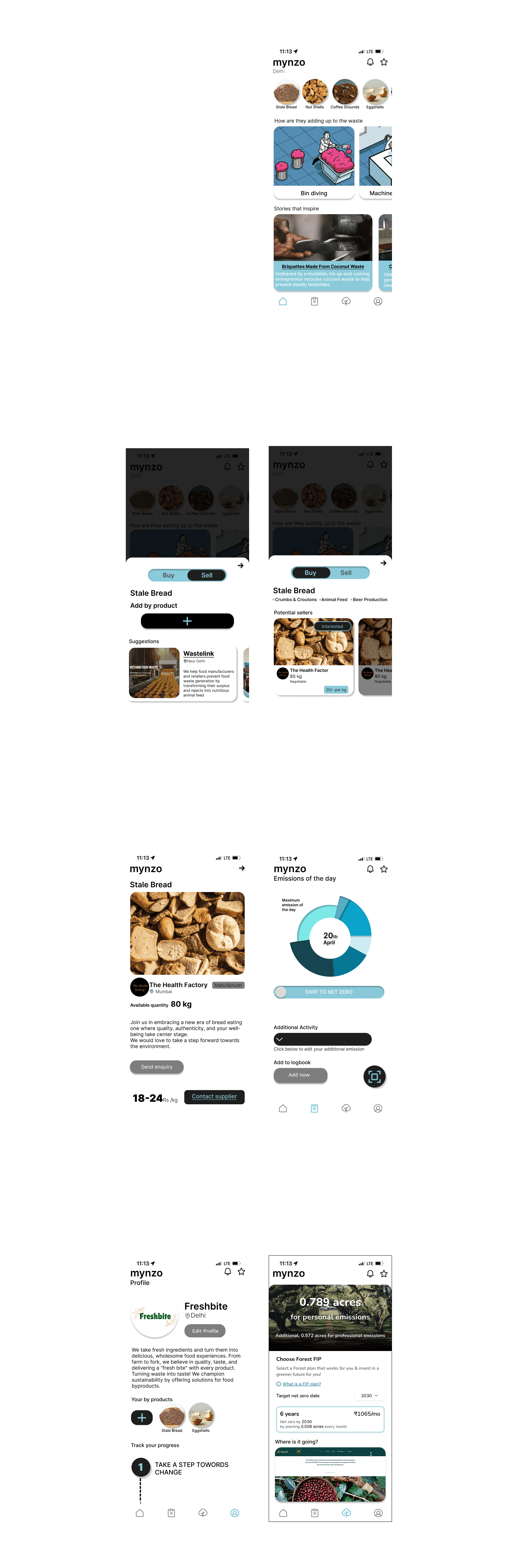
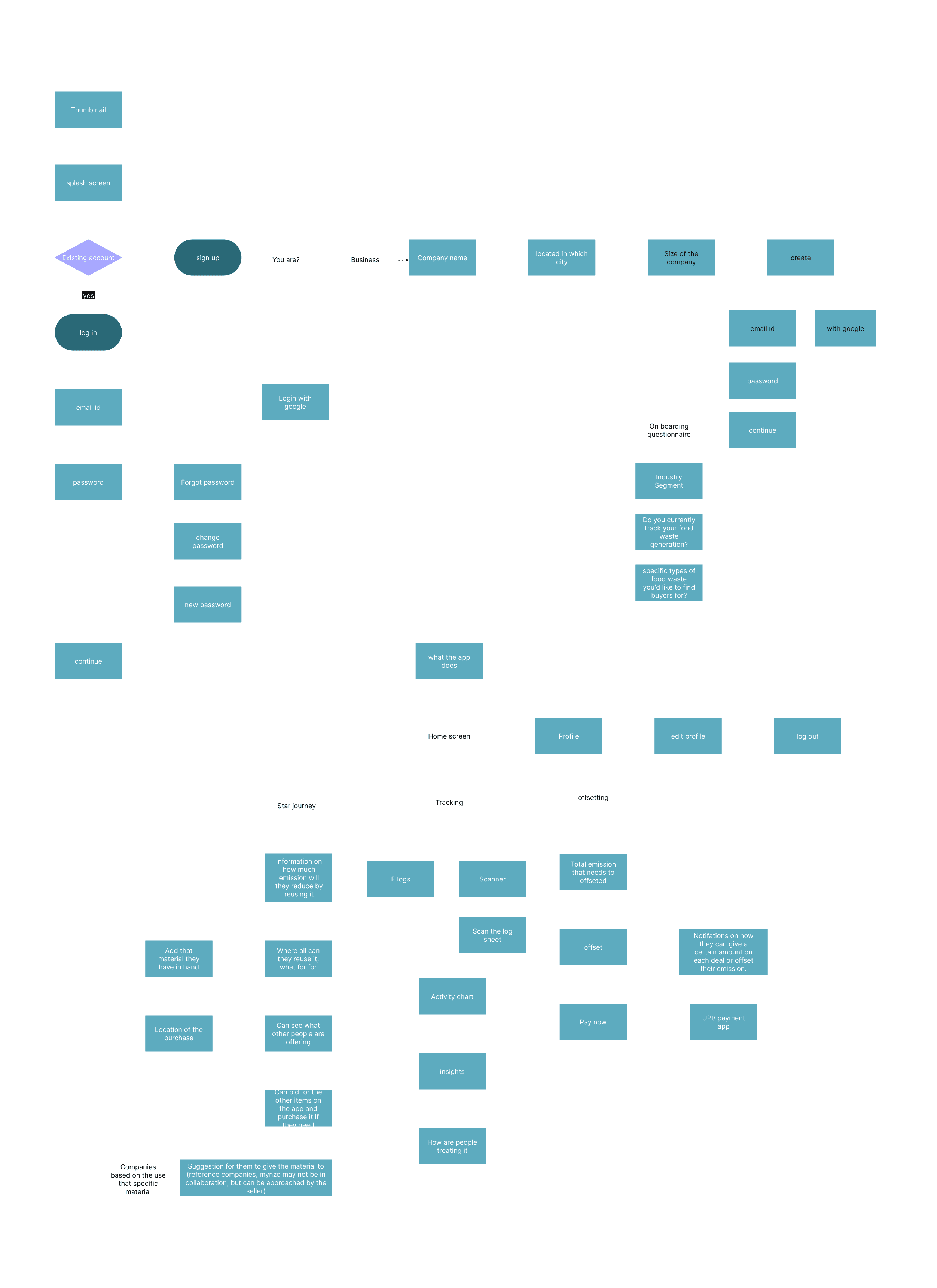
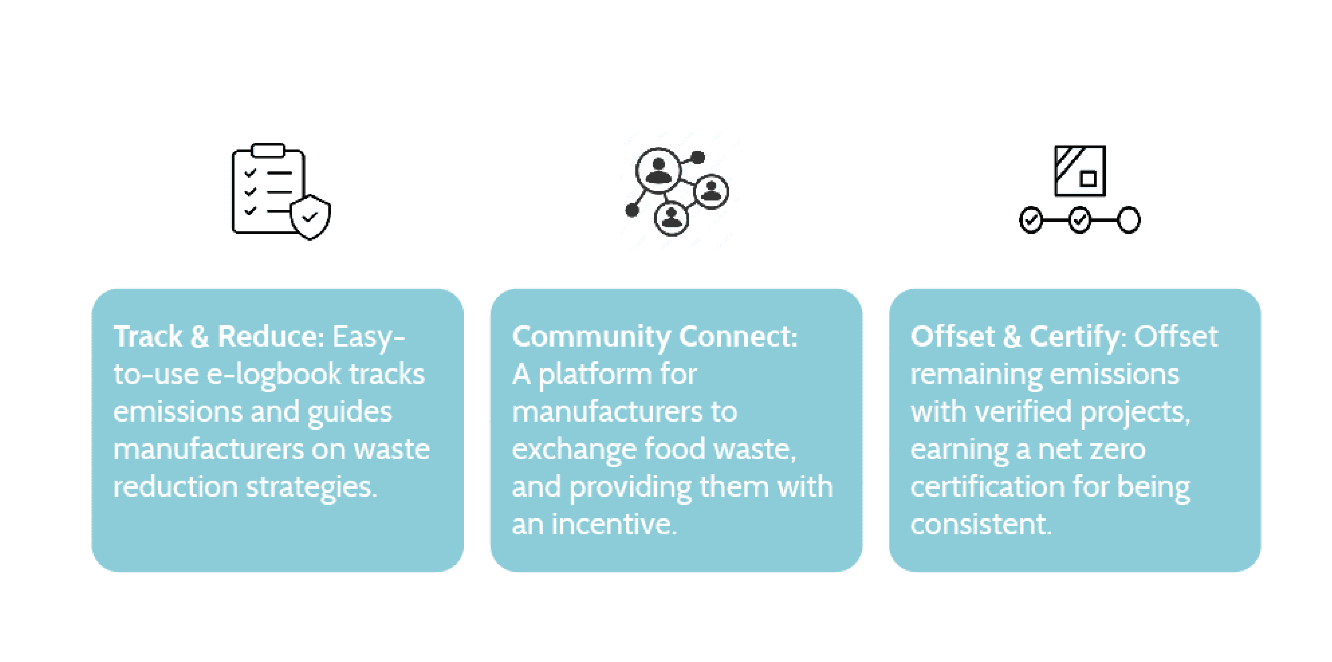
A key feature is the emission e-logbook, which simplifies tracking and suggests reduction strategies tailored to each user’s operations. The platform also integrates offsetting options, allowing companies to invest in verified environmental projects to balance remaining emissions. Beyond functionality, it fosters a community of shared learning through case studies and stories of successful upcycling, encouraging more industries to adopt circular practices.

Future scope
This intervention can be launched at a broader platform. E-logbooks & waste exchange being the core tools can be adapted in other industries as well. It can lead to a future where waste becomes a valuable resource, not a burden.
More Projects

UI / UX Design
MYNZO CARBON
MYNZO CARBON
Designed an user centered engagement approach and nudge towards behavioral change that leads to NetZero.
Designed an user centered engagement approach and nudge towards behavioral change that leads to NetZero.
Client :
Mynzo Carbon
Role:
Research, Strategic design, UI UX design
Year :
2024
Team Project:
Individual
Overview
This project explores how digital tools can encourage manufacturers to track emissions, manage industrial waste responsibly, and collaborate with other businesses to reduce carbon impact. The outcome is a platform that helps companies monitor emissions, exchange industrial by-products, and offset remaining carbon through verified environmental initiatives.
The deep dive
The carbon emission from coal combustion is approximately 0.179 kg CO2 per kilowatt hour. This translates to a carbon emission factor of 0.179 kg CO2/0.109 kg fly ash, or approximately 1.64 kg CO2 per kg fly ash
The scraps generated in the industry. These scraps are mostly seen as waste and end up in landfills, contributing to emissions. While they can be used as byproducts in other industries (e.g., coconut husk for biofuel, fly ash for bricks), this potential is not fully realised.
Key Findings
Limited awareness of carbon emissions
Many small-scale manufacturers are not fully aware of how their activities contribute to carbon emissions.
Waste is often underutilised
Industrial by-products and scraps are frequently discarded rather than reused, despite their potential value in other industries.
Profitability drives decision-making
Business owners prioritize operational efficiency and profitability, often overlooking environmental considerations unless they also offer economic benefits.
Inconsistent production cycles
Manufacturing outputs fluctuate depending on demand, which makes it difficult to implement structured waste and emission management systems.
Intent
By taking in consideration lack of voluntary carbon control, limited data sharing, inconsistency in the overall spectrum, scrap generation as by product We can:
Foster a spirit of collective effort and collaboration: Companies are not alone in this! A collective effort through our online community can bring about significant change.
Empowering transparency in the process for both Mynzo and the user effortlessly.
Provide user with incentives and solutions by putting their best interests forward, create a win-win situation for both the climate and the manufacturers
Recognition at each step: This will give them a sense of accomplishment and industry leadership. Facilitating Offsetting Companies invest in offsetting their remaining emissions after reduction efforts
Core Concept
A key feature is the emission e-logbook, which simplifies tracking and suggests reduction strategies tailored to each user’s operations. The platform also integrates offsetting options, allowing companies to invest in verified environmental projects to balance remaining emissions. Beyond functionality, it fosters a community of shared learning through case studies and stories of successful upcycling, encouraging more industries to adopt circular practices.
Future scope
This intervention can be launched at a broader platform. E-logbooks & waste exchange being the core tools can be adapted in other industries as well. It can lead to a future where waste becomes a valuable resource, not a burden.
More Projects
UI / UX Design
MYNZO CARBON
MYNZO CARBON
Designed an user centered engagement approach and nudge towards behavioral change that leads to NetZero.
Designed an user centered engagement approach and nudge towards behavioral change that leads to NetZero.
Client :
Mynzo Carbon
Role:
Research, Strategic design, UI UX design
Year :
2024
Team Project:
Individual
Overview
This project explores how digital tools can encourage manufacturers to track emissions, manage industrial waste responsibly, and collaborate with other businesses to reduce carbon impact. The outcome is a platform that helps companies monitor emissions, exchange industrial by-products, and offset remaining carbon through verified environmental initiatives.
The deep dive
The carbon emission from coal combustion is approximately 0.179 kg CO2 per kilowatt hour. This translates to a carbon emission factor of 0.179 kg CO2/0.109 kg fly ash, or approximately 1.64 kg CO2 per kg fly ash
The scraps generated in the industry. These scraps are mostly seen as waste and end up in landfills, contributing to emissions. While they can be used as byproducts in other industries (e.g., coconut husk for biofuel, fly ash for bricks), this potential is not fully realised.
Key Findings
Limited awareness of carbon emissions
Many small-scale manufacturers are not fully aware of how their activities contribute to carbon emissions.
Waste is often underutilised
Industrial by-products and scraps are frequently discarded rather than reused, despite their potential value in other industries.
Profitability drives decision-making
Business owners prioritize operational efficiency and profitability, often overlooking environmental considerations unless they also offer economic benefits.
Inconsistent production cycles
Manufacturing outputs fluctuate depending on demand, which makes it difficult to implement structured waste and emission management systems.
Intent
By taking in consideration lack of voluntary carbon control, limited data sharing, inconsistency in the overall spectrum, scrap generation as by product We can:
Foster a spirit of collective effort and collaboration: Companies are not alone in this! A collective effort through our online community can bring about significant change.
Empowering transparency in the process for both Mynzo and the user effortlessly.
Provide user with incentives and solutions by putting their best interests forward, create a win-win situation for both the climate and the manufacturers
Recognition at each step: This will give them a sense of accomplishment and industry leadership. Facilitating Offsetting Companies invest in offsetting their remaining emissions after reduction efforts
Core Concept
A key feature is the emission e-logbook, which simplifies tracking and suggests reduction strategies tailored to each user’s operations. The platform also integrates offsetting options, allowing companies to invest in verified environmental projects to balance remaining emissions. Beyond functionality, it fosters a community of shared learning through case studies and stories of successful upcycling, encouraging more industries to adopt circular practices.
Future scope
This intervention can be launched at a broader platform. E-logbooks & waste exchange being the core tools can be adapted in other industries as well. It can lead to a future where waste becomes a valuable resource, not a burden.